

Christmas Eve Creamy Lobster Pasta with Garlic Butter
The lobster is the part I watch most closely: a minute too long in the skillet can turn tender pieces firm and chewy. Cutting the tails into even pieces and…
Tip: save now, cook later.The lobster is the part I watch most closely: a minute too long in the skillet can turn tender pieces firm and chewy. Cutting the tails into even pieces and checking the thickest one with a thermometer makes this Christmas Eve creamy lobster pasta with garlic butter feel much less fussy than it sounds. The lobster cooks quickly, then waits on a plate while the sauce comes together in the same skillet.
I build the sauce with shallot, garlic, and white wine before adding cream, so it has a little brightness beneath the richness. Then finely grated Parmesan, lemon juice, and reserved pasta water bring everything together around the linguine. It’s a satisfying dinner for four, with a silky sauce that clings to the noodles and sweet lobster in every serving.

Kitchen Note
Cut the lobster into pieces that are close in size before they go into the skillet. Even pieces cook at a similar pace, so you’re less likely to have a small piece turn firm while a larger one is still coming up to temperature.
Save this Christmas Eve creamy lobster pasta for a special dinner: tender lobster, garlic butter, and linguine wrapped in a silky Parmesan cream sauce.
Why the Sauce Needs Pasta Water, Not More Cream
A cream sauce can look lush in the skillet and still sit heavily on the noodles. Here, the pasta water does a different job from the cream: its starch helps the sauce cling to the linguine instead of pooling at the bottom of the bowl. It also lets you loosen the sauce gradually, without making it richer.
Save a full cup before draining, even though you begin by adding only half a cup to the skillet. The noodles release more starch as they cook, and you’ll have enough liquid on hand to adjust the consistency during the final toss. Add it in small amounts while turning the linguine through the sauce. Stop when each strand is coated and the sauce moves with the pasta, rather than running freely around the skillet.
This is also why it helps to have the pasta water ready before draining. Once the lobster and sauce are together, the final toss goes quickly; a little patience with the liquid gives you a creamy coating without drowning out the lobster.
What the Lobster, Wine, and Parmesan Each Bring to the Sauce
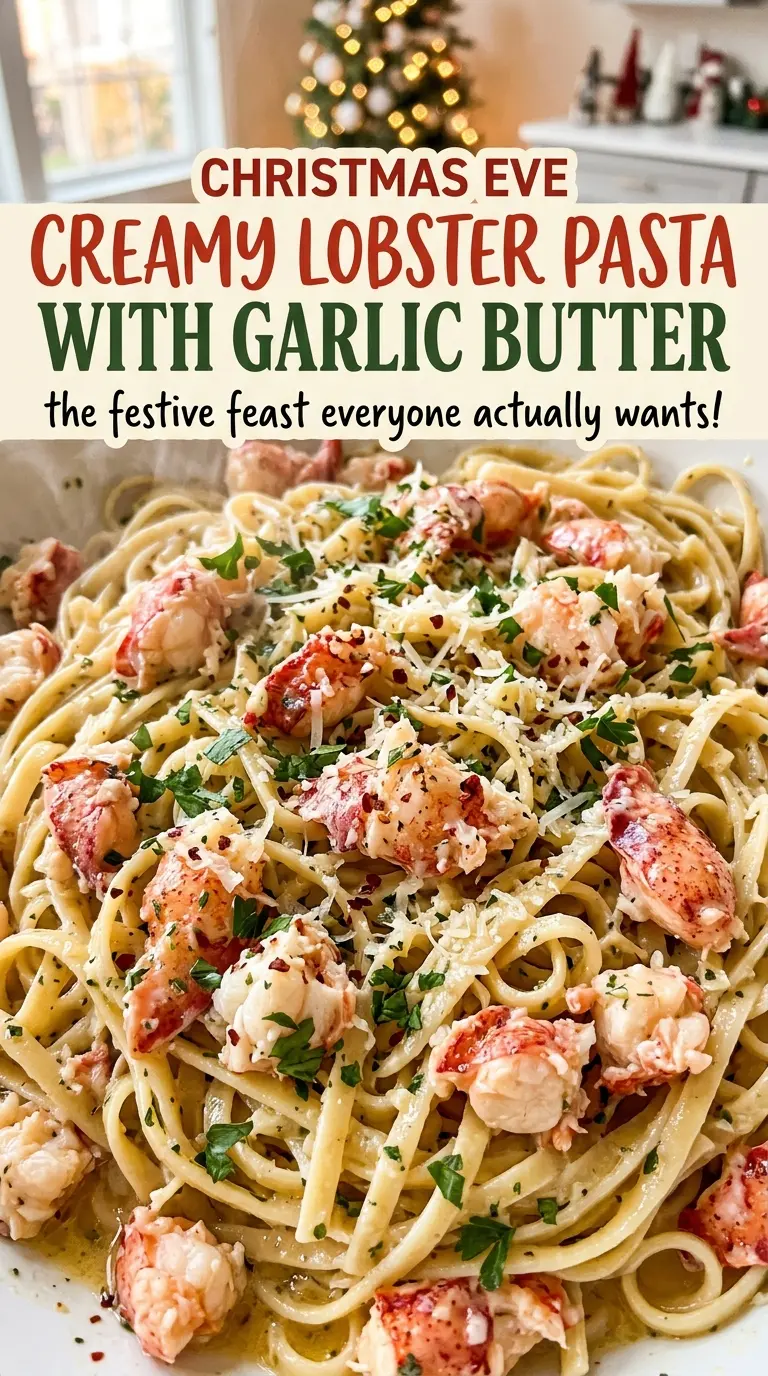
- Lobster tails — Tail meat has a firm, sweet bite that holds its shape in the sauce. Use thawed tails so the meat is easy to remove and cooks evenly. Kitchen shears make cutting through the underside of the shell more manageable than trying to pry it open by hand.
- Linguine — Its long, flat strands give the cream sauce plenty of surface to cling to. Cook it until al dente, following the package timing; overcooked noodles soften further when they’re tossed with the warm sauce.
- Dry white wine — Simmering it down before adding the cream concentrates its flavor and gives the sauce a gentle acidity. Choose a dry wine you’d be comfortable drinking; a sweet wine would shift the sauce in a different direction.
- Heavy cream and finely grated Parmesan — Cream provides the sauce’s richness, while finely grated Parmesan melts into it and adds savory depth. Grating the cheese finely helps it blend more smoothly than leaving it in thick shreds.
- Shallot, garlic, and lemon juice — The shallot softens into the butter, garlic brings its aroma, and lemon juice cuts through the creamy finish. Fresh garlic and shallot are worth using here because their flavor forms the sauce’s base.
Building the Garlic Butter Sauce Without Overcooking the Lobster
Freeing the Tail Meat
Use kitchen shears to cut through the underside of each thawed lobster tail shell. Remove the meat and cut it into 1-inch pieces, keeping the pieces as even as you can. Set them near the stove before you begin cooking so they’re ready for the skillet. If the shell resists, work along the underside rather than crushing the shell around the meat.
Cooking the Linguine and Saving Its Water
Bring the water and kosher salt to a boil in a 6-quart pot, then add the linguine. Cook it according to the package directions until al dente, with a little firmness when you bite through a strand. Before draining, reserve 1 cup of the cooking water. Don’t skip that pause; once the water is poured away, you lose the easiest way to adjust the sauce later.
Cooking the Lobster, Then Building the Sauce
Melt 2 tablespoons of butter in a 12-inch skillet over medium heat, add the lobster, and stir as it cooks for 3 to 5 minutes. Check the thickest piece; it should be opaque and reach 145°F, then transfer the lobster to a plate. Add the remaining butter and shallot to the same skillet and cook, stirring, until the shallot softens, about 2 minutes. Stir in the garlic and red pepper flakes for about 30 seconds, then pour in the wine and simmer until it has reduced by about half, 3 to 4 minutes.
Finishing the Cream and Tossing the Pasta
Stir in the heavy cream and bring it to a gentle simmer, cooking for 3 to 4 minutes. Lower the heat before stirring in the Parmesan, lemon juice, and black pepper; high heat can make melted cheese clump instead of blending into the sauce. Return the lobster and any juices to the skillet and stir until warmed through, about 1 minute. Add the linguine and 1/2 cup of pasta water, toss until coated, and add more reserved water as needed before stirring in the parsley and serving.
Easy Ways to Adapt This Lobster Linguine
Make It Gluten-Free
Use gluten-free linguine in place of the regular linguine, keeping the same amount by weight. Cook it according to its package directions and reserve its cooking water before draining; the texture and amount of starch in that water vary by pasta, so add it gradually as you toss.
Leave Out the Red Pepper Flakes
For a milder sauce, omit the crushed red pepper flakes and leave the rest of the method unchanged. You’ll keep the garlic butter and wine flavor without the pepper’s lingering warmth.
Scale It Down for Two
Halve every ingredient for a smaller dinner, including the lobster tails and linguine. Keep the same cooking cues: cook the lobster until opaque and 145°F in its thickest piece, and cook the pasta until al dente. The reduced amount of sauce may come together faster, so watch its texture as it simmers.
Storage and Reheating
- Refrigerator: Store leftovers in an airtight container and eat within 2 days. The linguine will absorb some sauce as it sits, so it won’t be as loose as when freshly tossed.
- Freezer: I don’t recommend freezing the assembled pasta. The cream sauce can separate after thawing, and the linguine tends to soften.
- Reheating: Warm leftovers gently in a skillet over low heat, stirring in a small splash of water to loosen the sauce. Avoid high heat, which can make the cream sauce separate and the lobster tough.
Questions That Come Up While Making Lobster Pasta
Christmas Eve Creamy Lobster Pasta with Garlic Butter
Ingredients
Equipment
Method
- Use kitchen shears to cut through the underside of each lobster tail shell.
- Remove the lobster meat from the shells.
- Cut the lobster meat into 1-inch pieces.
- Bring the water and kosher salt to a boil in a 6-quart pot.
- Add the linguine and cook according to the package directions until al dente.
- Reserve 1 cup of pasta water, then drain the linguine.
- Melt 2 tablespoons of the butter in a 12-inch skillet over medium heat.
- Add the lobster and cook, stirring, until opaque and 145°F in the thickest piece, 3 to 5 minutes.
- Transfer the lobster to a plate.
- Add the remaining 4 tablespoons butter and the shallot to the skillet and cook, stirring, until the shallot softens, about 2 minutes.
- Stir in the garlic and red pepper flakes and cook until fragrant, about 30 seconds.
- Add the wine and simmer until reduced by about half, 3 to 4 minutes.
- Stir in the heavy cream, bring to a gentle simmer, and cook for 3 to 4 minutes.
- Reduce the heat to low and stir in the Parmesan, lemon juice, and black pepper.
- Return the lobster and any juices to the skillet and stir until warmed through, about 1 minute.
- Add the linguine and 1/2 cup pasta water and toss until coated, adding more reserved pasta water as needed.
- Stir in the parsley and serve.