
Cracker Barrel Meatloaf
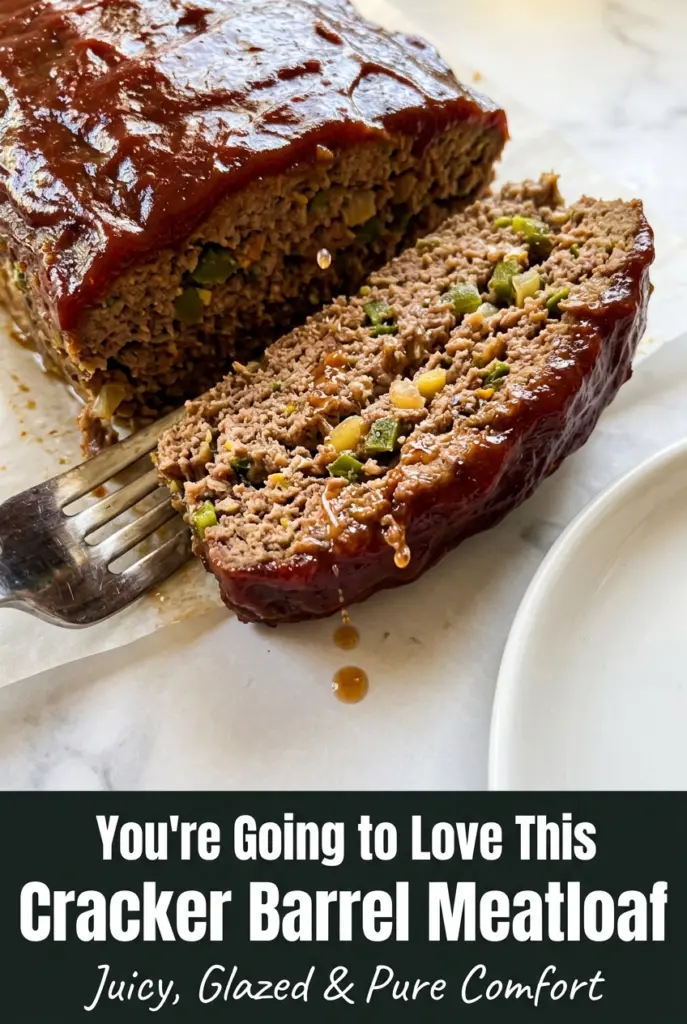
Cracker Barrel meatloaf lands on the plate the way comfort food should: tender, sliceable, and full of savory beef-and-pork flavor with a glossy ketchup glaze that turns sticky at the…
Tip: save now, cook later.Cracker Barrel meatloaf lands on the plate the way comfort food should: tender, sliceable, and full of savory beef-and-pork flavor with a glossy ketchup glaze that turns sticky at the edges in the oven. The best versions don’t taste like a loaf of filler with sauce on top. They taste like the pan was built for moisture, the seasoning was balanced, and the glaze had enough time to caramelize instead of just warming up.
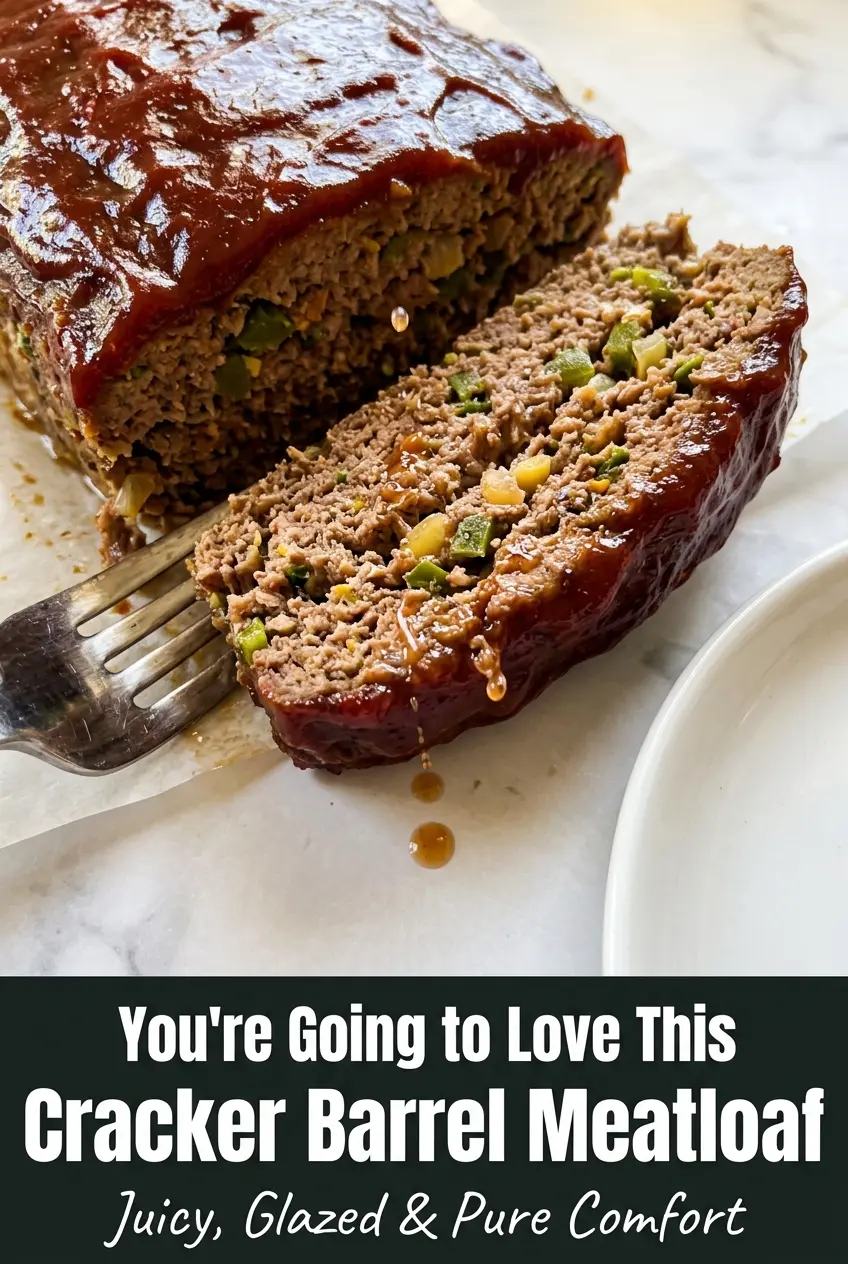
The combination of ground beef and pork gives this loaf a richer, softer bite than beef alone, and the milk-soaked bread crumbs keep it from turning tight and crumbly. Diced onion and green pepper bring the same diner-style texture and sweetness you remember from a good homestyle slice, while the brown sugar and mustard in the glaze give the ketchup a deeper, tangier finish. That balance is what makes this taste like a restaurant-style meatloaf instead of an ordinary weeknight one.
Below, I’ll walk through the small details that keep the loaf juicy, why the glaze goes on in two rounds, and how to adapt it if you want to swap the pan, change the meat, or make it ahead.
The loaf stayed incredibly tender, and the glaze turned sticky and caramelized instead of sliding off. My husband said it tasted just like the diner version and asked for leftovers the next day.
Save this Cracker Barrel meatloaf for the nights when you want a juicy, diner-style loaf with that sweet-tangy glaze.
The Reason This Loaf Stays Tender Instead of Tight
Most meatloaves turn dense for one of two reasons: the mixture gets worked like bread dough, or the pan pulls too much fat and moisture out before the center has time to set. This version avoids both problems by using a gentle mix and a two-meat blend with enough fat to stay juicy after baking. The bread crumbs and milk also matter here. They don’t just add filler. They create a soft, hydrated base that helps the loaf hold together without becoming compact.
The other mistake people make is baking the glaze on from the start and calling it done. That leaves the topping dull and thin. This loaf gets glaze in two rounds, which gives the first layer time to sink into the surface and the second layer time to caramelize into a sticky finish. If your meatloaf has ever sliced dry or tasted flat, this is the part that changes the result.
- Ground beef 80/20 — The fat keeps the loaf flavorful and moist. Leaner beef works, but the texture gets drier unless you compensate with extra milk or a looser bake.
- Ground pork — Pork softens the texture and adds a little sweetness that tastes classic in diner-style meatloaf. You can replace it with more beef, but the loaf will be a little less tender.
- Seasoned bread crumbs — These bring seasoning and structure. Plain crumbs work too, but you may want a touch more salt and garlic powder.
- Milk — This hydrates the crumbs so they act like a tender binder. Whole milk is best, though 2% will still do the job.
- Yellow onion and green bell pepper — These give the loaf its familiar savory base. Dice them small so they soften evenly; big chunks stay crunchy.
- Ketchup, brown sugar, and mustard — This glaze needs all three parts: sweet, tangy, and tomato-rich. If you skip the mustard, the topping tastes flatter and heavier.
Building the Loaf Without Overmixing the Meat
Let the crumbs drink the milk first
Stir the bread crumbs and milk together and give them a couple of minutes to sit before anything else goes in. That short soak keeps the crumbs from stealing moisture from the meat while it bakes. The mixture should look damp and pasty, not soupy. If it still looks dry after two minutes, add a splash more milk rather than waiting until the meat is in the bowl.
Mix the seasonings before the meat joins in
Once the eggs, onion, bell pepper, garlic powder, onion powder, Worcestershire, salt, and pepper are in the bowl, stir everything together so the flavor is evenly distributed. Then add the beef and pork and mix with your hands only until the streaks disappear. If you keep squeezing after that point, the proteins tighten up and you get a heavy slice instead of a tender one.
Glaze before and after the first bake
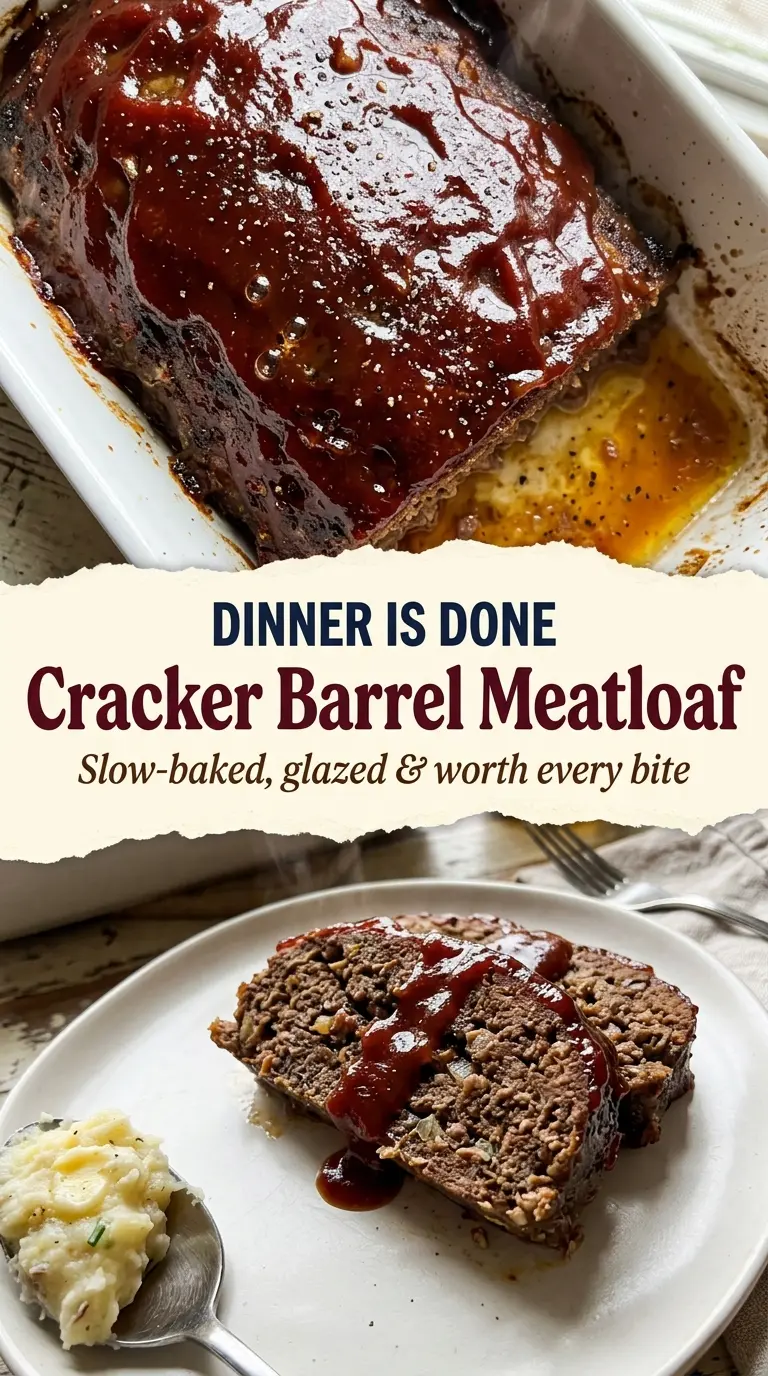
Shape the mixture into a loaf in a lightly greased pan or on a parchment-lined sheet, then spread on half the glaze before it goes into the oven. That first layer helps the surface start to season and set. After 45 minutes, add the remaining glaze and finish baking until the center hits 160°F. If the loaf is already browning too fast, tent it loosely with foil for the last part of the bake so the glaze doesn’t scorch before the meat is done.
How to Adapt This for Different Pans, Diets, and Leftovers
Free-form instead of loaf pan
Shaping the meatloaf on a parchment-lined baking sheet gives you more browned edges and lets excess fat drip away. The tradeoff is a slightly less uniform slice, but the texture is often better because the outside gets more caramelized.
Dairy-free version
Use an unsweetened plain non-dairy milk with enough body to soak the crumbs, like oat milk. The loaf still holds together, but the finished texture will be a touch less rich than with whole milk.
Gluten-free swap
Use certified gluten-free bread crumbs in the same amount. The loaf still slices cleanly, and the texture stays close to the original as long as the crumbs are fine and evenly hydrated.
Storage and Reheating
- Refrigerator: Store slices in an airtight container for up to 4 days. The texture stays moist, and the glaze gets even more flavorful after a night in the fridge.
- Freezer: This freezes well. Wrap individual slices tightly and freeze for up to 3 months so you can thaw only what you need.
- Reheating: Warm slices covered in a 300°F oven with a spoonful of water or extra glaze nearby to keep them from drying out. The common mistake is blasting them in the microwave until the edges turn rubbery.
Questions I Get Asked About This Recipe
Cracker Barrel Meatloaf
Ingredients
Equipment
Method
- Preheat your oven to 350°F (175°C) and lightly grease a 9x5-inch loaf pan or line a baking sheet with parchment.
- In a large bowl, combine seasoned bread crumbs and whole milk, then let sit for 2 minutes so the crumbs absorb the milk.
- Add beaten eggs, diced yellow onion, diced green bell pepper, garlic powder, onion powder, Worcestershire sauce, salt, and black pepper, then stir to combine.
- Add ground beef and ground pork, and mix gently with your hands just until combined so the loaf stays tender and not dense.
- Shape the meat mixture into a loaf in the prepared pan or free-form on the baking sheet.
- Stir together ketchup, packed light brown sugar, and yellow mustard until smooth, then spread half of the glaze evenly over the top and sides of the meatloaf.
- Bake uncovered at 350°F (175°C) for 45 minutes, until the top begins to set.
- Remove from the oven, spread the remaining glaze over the top, and return to the oven for 15–20 minutes until the internal temperature reaches 160°F and the glaze turns caramelized, glossy, and slightly dark at the edges.
- Let the meatloaf rest for 10 minutes before slicing so juices stay inside and you get clean, thick slices.
- Serve with mashed potatoes and green beans for classic Cracker Barrel-style comfort.