
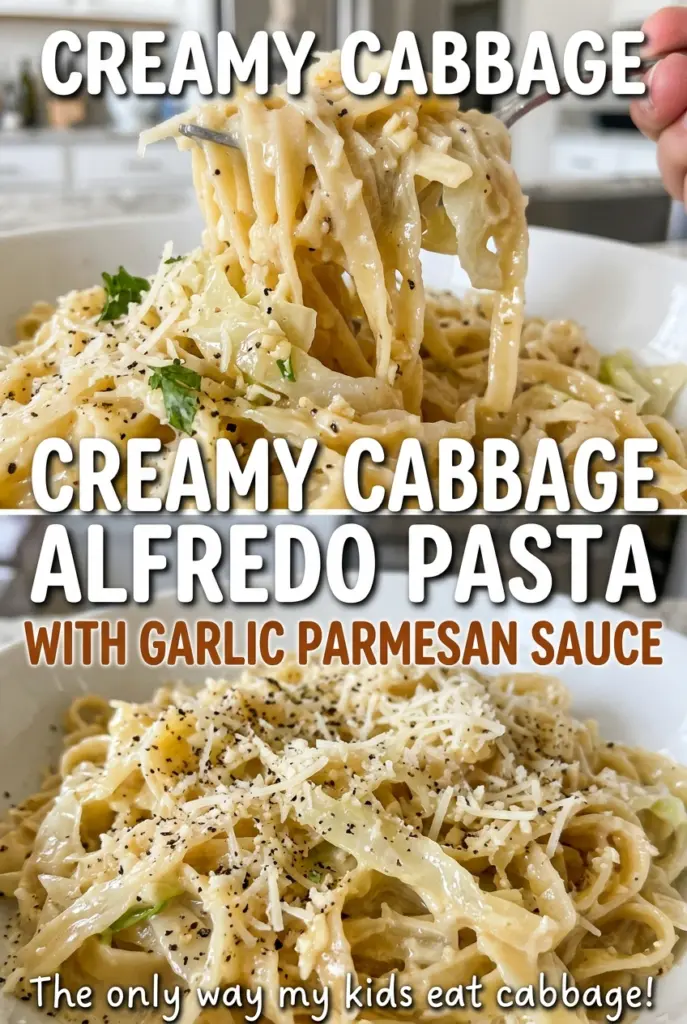
Creamy Cabbage Alfredo Pasta with Garlic Parmesan Sauce
The cabbage hits the hot skillet with a soft hiss, then slowly turns sweet, tender, and browned at the edges. That little bit of color makes a surprising difference in…
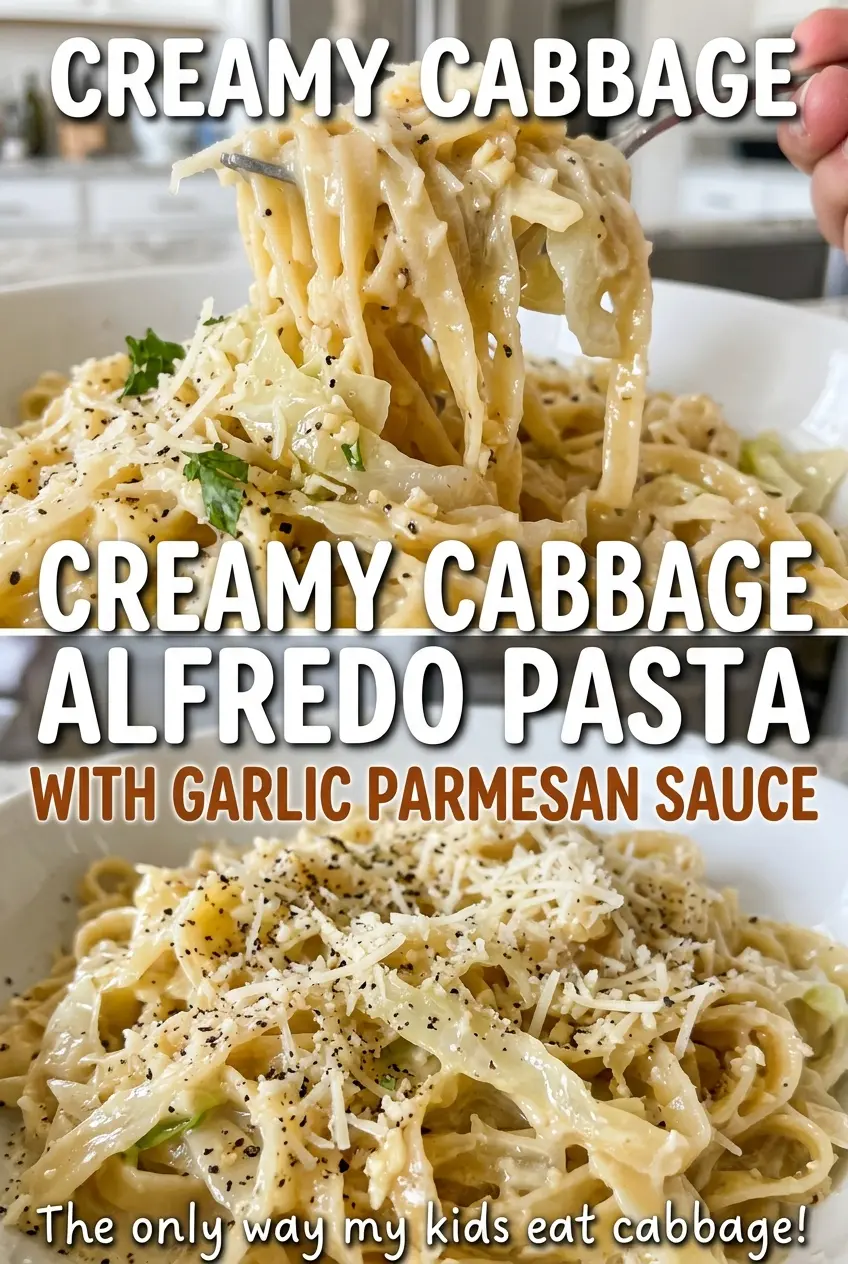
Tip: save now, cook later.The cabbage hits the hot skillet with a soft hiss, then slowly turns sweet, tender, and browned at the edges. That little bit of color makes a surprising difference in this creamy cabbage Alfredo pasta: the cabbage tastes savory and mellow instead of watery, and it gives the silky garlic Parmesan sauce something to cling to besides fettuccine.
I cook the cabbage on its own while the pasta boils, then move it out of the skillet before starting the sauce. That gives the slices room to brown instead of steaming in a crowded pan, and it keeps the cream sauce smooth and rich. Freshly grated Parmesan melts into the warm cream much more readily than packaged shreds, so the finished sauce coats the noodles without turning clumpy. You get tender pasta, soft cabbage with golden edges, and plenty of garlicky sauce in every forkful.
Kitchen Note
Scoop out the reserved pasta water before you drain the fettuccine. I start with half a cup when I toss everything together, then add a little more only if the sauce needs help loosening.
Save this creamy cabbage Alfredo pasta for a cozy dinner when you want golden-edged cabbage and a smooth garlic Parmesan sauce.
Why Cabbage Needs Its Own Sear Before the Cream Goes In
Cabbage holds a lot of moisture, and a skillet full of raw slices needs room for that moisture to cook off. If the cabbage goes straight into a pan with pasta and sauce, it tends to soften without developing those browned edges. Cooking it separately gives the slices direct contact with the hot skillet, where they can turn tender and pick up a little color before the cream enters the picture.
That order also protects the Alfredo sauce. Cabbage releases moisture as it cooks; keeping it out of the cream until the end means you can simmer the sauce gently without trying to reduce extra liquid at the same time. Once the cabbage is tender, transfer it to a bowl and build the sauce in the same skillet. Those two parts come together only for the final toss, so the cabbage keeps its own texture and the sauce stays creamy.
Look for a mix of pale, softened pieces and browned edges rather than aiming for every slice to be deeply caramelized. Stirring often helps the cabbage cook evenly, while the time in the skillet gives it enough opportunity to lose its raw bite. It’s a small change in order, but it’s what keeps the finished dish from feeling like plain pasta with wilted cabbage.
Why Fresh Parmesan Matters More Than a Splash of Extra Cream
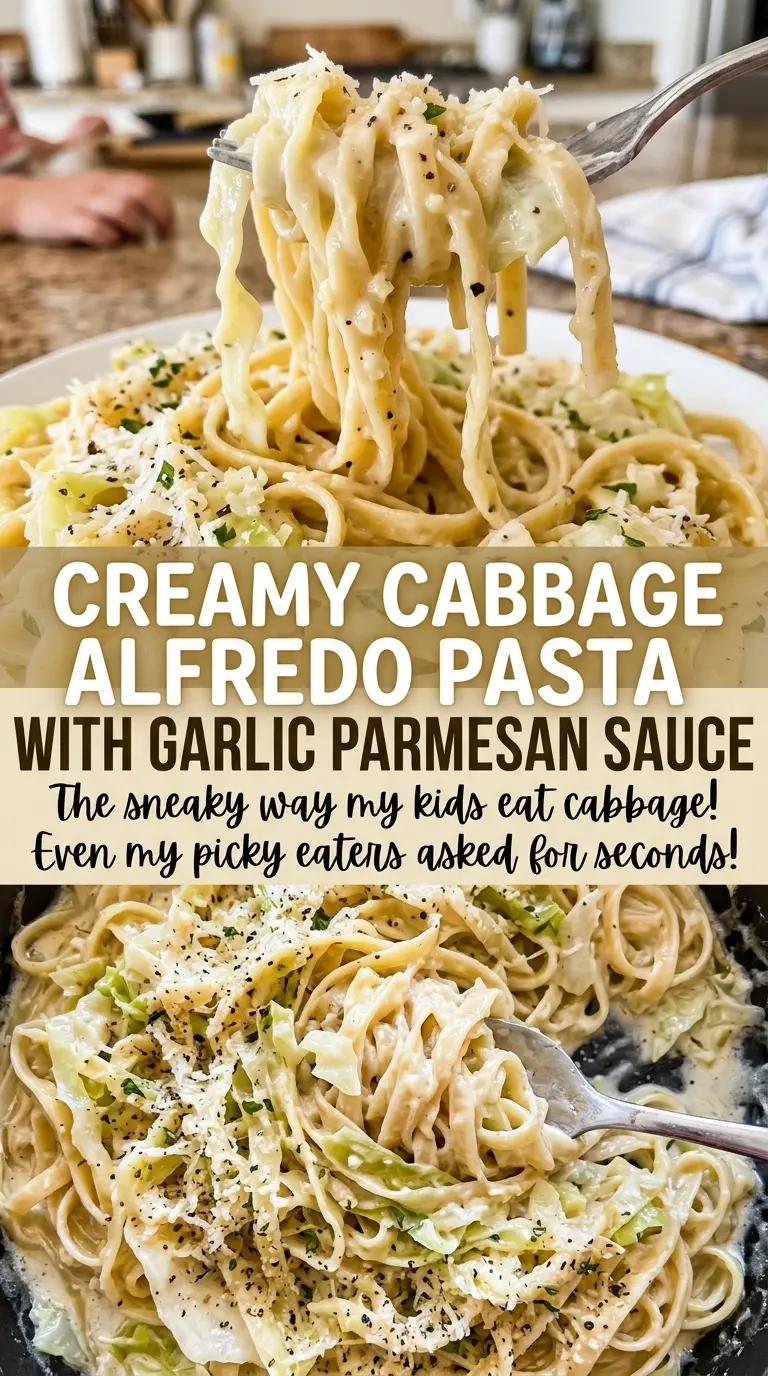
- Parmesan — Freshly grated cheese is the ingredient that thickens and flavors the sauce. It melts more evenly into warm cream than packaged grated cheese, which can leave the sauce grainy. Grate it finely so it incorporates without stubborn clumps.
- Heavy cream and butter — Together, they make the sauce rich enough to coat the pasta. Heavy cream is more reliable here than a thinner dairy product, which would make the sauce less lush and more prone to thinning out. Unsalted butter also lets the divided kosher salt season the pasta and cabbage without making the sauce hard to control.
- Green cabbage — Choose a firm head with crisp leaves; there’s no need to seek out a specialty variety. Remove the core and slice the cabbage thinly so it softens during its skillet time. Red cabbage isn’t my pick for this pale Parmesan sauce because its color can tint the finished dish.
- Fettuccine — Its broad strands give the sauce plenty of surface to cling to. Keep the pasta al dente, since it gets another brief toss in the skillet. A thinner noodle would still cook, but it wouldn’t give you the same broad, creamy-coated bite.
- Garlic and black pepper — Minced garlic cooks quickly in the melted butter, so have it ready before the skillet is hot. The black pepper adds a gentle savory bite without taking over the Parmesan. Freshly ground pepper has a livelier aroma, though the sauce works with standard ground black pepper too.
- Olive oil — A little oil helps the cabbage cook in the skillet without sticking as it begins to soften. Use the olive oil you already keep for cooking; its job here is to help the cabbage brown, not to define the sauce.
From Tender Cabbage to Pasta That’s Coated, Not Drowned
Boil the Fettuccine and Save Its Starchy Water
Bring four quarts of water to a boil in a 6-quart pot, add the first portion of kosher salt, then cook the fettuccine according to the package directions, usually 8–12 minutes, until al dente. Start checking near the early end of that range so the noodles don’t turn soft before they reach the skillet. Before draining, reserve one cup of pasta water. It’s easy to forget that cup once the pasta is ready, and plain water won’t help the sauce cling in quite the same way.
Cook the Cabbage Until Tender with Browned Edges
While the pasta cooks, heat the olive oil in a 12-inch deep skillet over medium-high heat. Add the thinly sliced cabbage and remaining kosher salt, then cook for 8–10 minutes, stirring often. The slices should look softened, with some browned edges; if the skillet is crowded or the cabbage sits untouched, it’s more likely to steam unevenly than brown. Transfer the cooked cabbage to a bowl so the skillet is ready for the sauce.
Warm the Cream Before Whisking in Parmesan
Melt the butter in the skillet over medium heat, add the minced garlic, and cook for 30 seconds. Stir in the heavy cream and lower the heat; let it simmer gently for 2–3 minutes, until it’s steaming and slightly thickened. Take the skillet off the heat before whisking in the Parmesan and black pepper. If the cheese clumps, the mixture was too hot when it went in, so avoid returning the skillet to a high flame to force it along.
Toss Until the Sauce Clings to Every Strand
Add the fettuccine and cabbage to the skillet with half a cup of the reserved pasta water. Toss over low heat for 1–2 minutes, watching as the sauce loosens and then clings to the noodles. Add more reserved water as needed if the sauce looks too thick or gathers at the bottom instead of coating the fettuccine. Keep the heat low and keep tossing; a hard boil isn’t needed to bring everything together.
Two Simple Ways to Shift the Cabbage-and-Pasta Balance
Make the bowl more cabbage-forward
For a cabbage-heavy version, use 8 ounces of fettuccine and keep the cabbage and sauce ingredients the same. The cabbage will take up more of each forkful, and the sauce will coat a smaller amount of pasta more generously. Keep the pasta water nearby so you can still loosen the sauce if it gets too concentrated.
Let the browned cabbage lead
For a deeper cabbage flavor, use the full amount of fettuccine and let the cabbage reach the upper end of its cooking window, stirring often until more edges turn golden. The extra color brings out a sweeter, toastier note against the cream and Parmesan. Keep the cabbage moving so the tender slices brown without scorching.
Storage and Reheating
- Refrigerator: Store leftovers in a covered container for 3–4 days. The pasta will absorb some sauce as it sits, so it won’t be quite as silky when cold.
- Freezer: Freezing isn’t ideal for this cream-and-Parmesan sauce; it may separate, and the cabbage will soften further when thawed.
- Reheating: Warm gently in a skillet over low heat, stirring in a splash of water to loosen the sauce. Heat leftovers to 165°F, and avoid high heat, which can make the sauce greasy or grainy.
Questions That Come Up While Making Cabbage Alfredo
Creamy Cabbage Alfredo Pasta with Garlic Parmesan Sauce
Ingredients
Equipment
Method
- Bring 4 quarts of water to a boil in a 6-quart pot, add 1 tablespoon of the salt and the fettuccine, and cook according to package directions, usually 8–12 minutes, until al dente.
- While the pasta cooks, heat the olive oil in a 12-inch deep skillet over medium-high heat, add the cabbage and remaining 1/2 teaspoon salt, and cook for 8–10 minutes, stirring often, until tender with some browned edges; transfer to a bowl.
- Reserve 1 cup of pasta water, then drain the fettuccine.
- Melt the butter in the skillet over medium heat.
- Add the garlic and cook for 30 seconds, then stir in the cream and simmer gently over low heat for 2–3 minutes, until steaming and slightly thickened.
- Remove from the heat and whisk in the Parmesan and black pepper.
- Add the fettuccine and cabbage to the skillet with 1/2 cup of the reserved pasta water, and toss over low heat for 1–2 minutes until the sauce clings to the pasta, adding more pasta water as needed.