
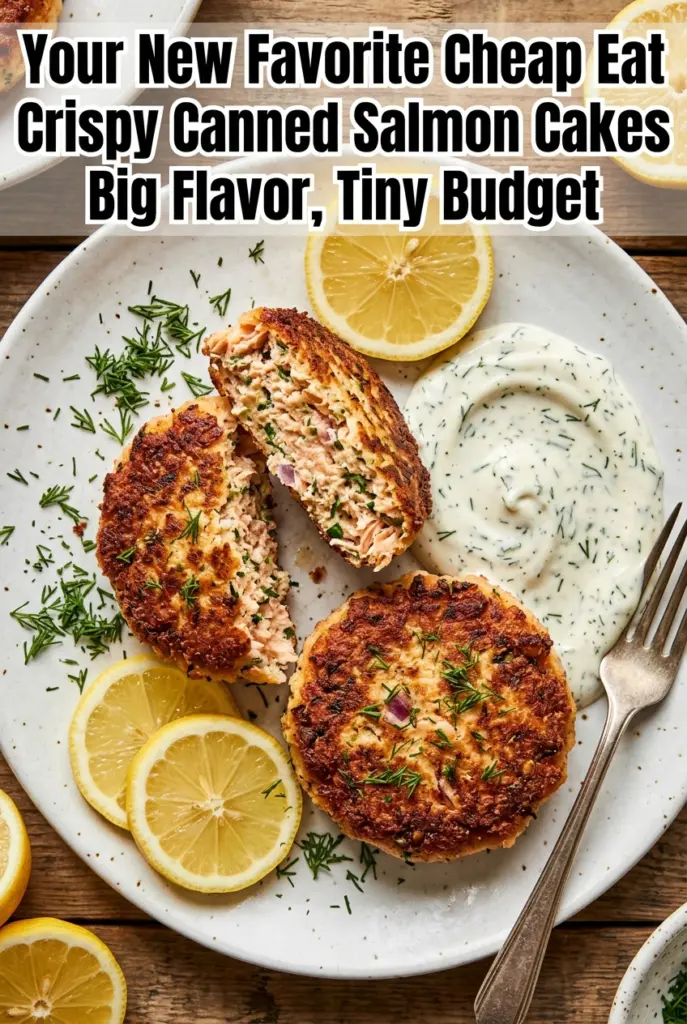
Crispy Canned Salmon Cakes
Golden salmon cakes with a crisp, bronzed crust and a tender center are one of the best ways to turn pantry salmon into dinner that feels cared for. The outside…
Tip: save now, cook later.Golden salmon cakes with a crisp, bronzed crust and a tender center are one of the best ways to turn pantry salmon into dinner that feels cared for. The outside gets that satisfying fry-pan crunch, while the inside stays light instead of muddy or heavy, which is what happens when the mixture has the right balance of moisture and binder.
This version leans on Dijon, lemon, parsley, and green onion to keep the flavor bright, not flat. The mayo adds richness and helps the cakes stay soft inside, while the breadcrumbs and a short chill time give them enough structure to flip cleanly. If you’ve ever had salmon cakes fall apart in the skillet or turn out dry, the fix is usually right here: drain the salmon well, mix gently, and let the patties rest before they hit the pan.
Below, I’ve included the little details that matter most, from the exact texture you’re aiming for when shaping the patties to the best way to reheat leftovers without losing that crust. There’s also a simple dill sauce that takes these from good to the kind of lunch you start making on purpose.
The patties held together beautifully and got that crisp edge I always want. I chilled them for 15 minutes like you said, and they flipped without falling apart. My husband put the lemon dill sauce on everything.
Crispy canned salmon cakes with lemon and dill are the kind of fast dinner that disappears before you get a chance to complain about pantry meals.
The Secret to Salmon Cakes That Don’t Fall Apart in the Pan
The biggest mistake with salmon cakes is treating the mixture like a wet scoop-and-drop batter. It needs to be firm enough to shape, but not packed so tightly that it turns dense after frying. The texture should feel like soft cookie dough: cohesive, slightly tacky, and able to hold its edges when you press it into a patty.
Drain the salmon thoroughly first. If there’s extra liquid in the bowl, the breadcrumbs keep soaking it up and the cakes cook up soft instead of crisp. The short chill in the fridge matters, too. That resting time lets the breadcrumbs hydrate and gives the eggs a chance to tighten everything so the patties stay together when they hit the hot oil.
- Pink salmon — Canned pink salmon has the mild flavor and soft texture that work well here. Drain it well and pick out any large bones or skin pieces if they bother you. The small bones in canned salmon are usually soft and can be flaked right in, but you can remove them if you prefer a smoother texture.
- Breadcrumbs — These are the main binder. Panko gives a little more lightness and a crisper edge, while finer breadcrumbs make the cakes slightly more compact. If the mixture feels loose, add a tablespoon at a time; too much will make the cakes dry.
- Mayonnaise — Mayo keeps the interior moist and gives the cakes enough fat to brown well. Greek yogurt can stand in if needed, but the cakes will be a little less rich and a touch tangier.
- Dijon mustard, lemon juice, and zest — These are what keep the salmon from tasting canned. Dijon adds sharpness, lemon juice brightens the mixture, and the zest gives you the strongest citrus note without making the cakes wet.
- Fresh parsley and green onions — These add freshness and little bits of texture. Dried parsley won’t give the same lift, and the green onion is worth keeping because it cuts through the richness.
Building the Mixture, Chilling the Patties, and Frying Them Hard Enough
Mix Just Until the Salmon Holds Together
Combine the salmon, eggs, mayo, mustard, breadcrumbs, herbs, seasoning, lemon juice, and zest with a fork or your hands, but stop as soon as the mixture looks evenly distributed. Overmixing breaks the salmon down too much and makes the cakes heavy. If it looks too wet, add a small spoonful of breadcrumbs and wait a minute before adding more, since the mixture keeps tightening as it sits.
Shape and Chill Before You Fry
Divide the mixture into equal portions and press each one into a patty about 3/4 inch thick. Thin patties can dry out before the crust forms, and very thick ones tend to brown too fast on the outside while staying soft in the middle. A 10 to 15 minute chill is enough to help them set without drying them out.
Cook in Shimmering Oil, Not Smoking Oil
Heat the oil over medium heat until it shimmers and slides easily across the pan. If the oil is smoking, the crust will darken before the inside warms through. Add the cakes in a single layer and leave them alone for 3 to 4 minutes so the bottom can form a deep golden crust that releases cleanly.
Flip Once and Finish Gently
Use a thin spatula and flip each cake with confidence; hesitation usually tears the crust. The second side needs the same 3 to 4 minutes, and you’re looking for an even bronze color rather than a pale, patchy finish. Move the finished cakes to paper towels right away so they don’t keep steaming in the pan.
What to Change When You Want These Salmon Cakes a Little Different
Gluten-Free Salmon Cakes
Use certified gluten-free breadcrumbs or crushed gluten-free crackers. The texture stays crisp and tender, though cracker crumbs tend to make the cakes a little more delicate, so keep the patties chilled before frying.
Dairy-Free Dipping Sauce
Skip the sour cream or yogurt and whisk the dill, lemon juice, garlic powder, and a few spoonfuls of mayonnaise with a splash of water until spoonable. It won’t taste as tangy, but it keeps the same creamy texture and works well with the salmon.
Fresh Herb Swap
Parsley and dill are both excellent here, and chives can stand in for part of the green onion. Stick with fresh herbs if you can, because dried herbs won’t give the same clean pop against the rich salmon.
Make Them Smaller for Appetizers
Form the mixture into smaller patties for party bites or sliders, and shave a minute or two off the cooking time per side. Smaller cakes brown faster, so keep the heat at medium and watch the edges carefully.
Storage and Reheating
- Refrigerator: Store cooked salmon cakes in an airtight container for up to 3 days. The crust softens a little, but the flavor stays good.
- Freezer: These freeze well. Cool completely, layer with parchment, and freeze for up to 2 months. Thaw in the fridge before reheating so the centers warm evenly.
- Reheating: Reheat in a skillet over medium-low heat or in a 375°F oven until hot. The air fryer also works well. The common mistake is blasting them in the microwave, which makes the crust soggy and the salmon dry at the same time.
Answers to the Questions Worth Asking
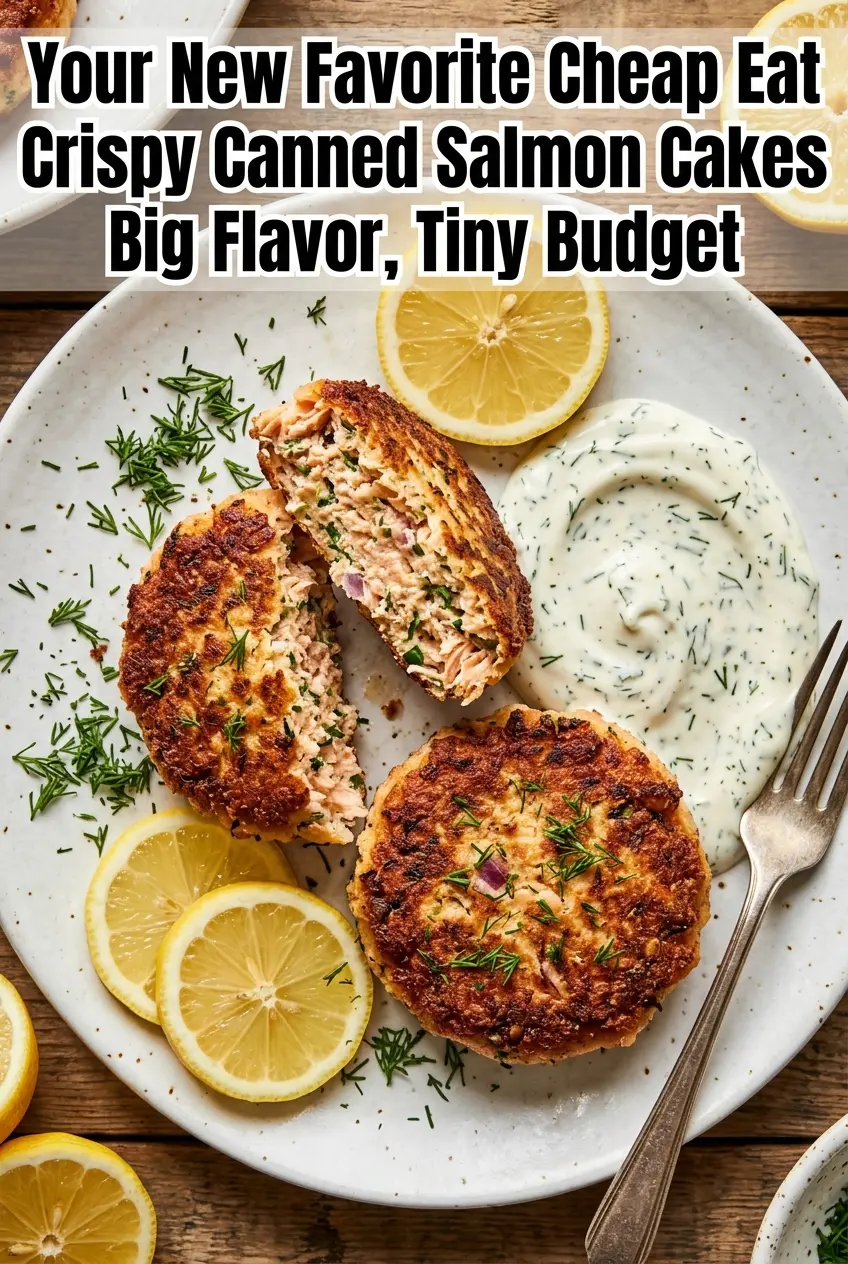
Crispy Canned Salmon Cakes
Ingredients
Equipment
Method
- Drain the canned pink salmon thoroughly, removing any large bones and skin, then flake it into a large mixing bowl so small flakes help binding.
- Add the beaten eggs, mayonnaise, Dijon mustard, breadcrumbs, parsley, green onions, garlic powder, smoked paprika, salt, black pepper, lemon juice, and lemon zest to the bowl.
- Mix gently with a fork just until combined—stop when no dry pockets remain so the cakes don’t turn dense.
- If the mixture feels too wet to shape, mix in 1–2 more tablespoons breadcrumbs; if too dry, mix in a small spoonful of mayonnaise.
- Divide into 8 equal portions and shape into patties about 3/4 inch thick, then place on a plate.
- Refrigerate the patties for 10–15 minutes to help them hold their shape during cooking.
- Whisk together sour cream or Greek yogurt, dill, lemon juice, and garlic powder, then season with salt and black pepper to taste.
- Chill the sauce in the fridge while the patties cook.
- Heat 2 tablespoons olive oil in a large non-stick skillet over medium heat until the oil shimmers.
- Add the salmon cakes in a single layer without crowding and cook for 3–4 minutes on the first side without touching, until a deep golden-brown crust forms.
- Flip carefully and cook 3–4 minutes more until the second side is deep golden-brown.
- Transfer to a plate lined with paper towels, add more olive oil if needed for the next batch, and serve hot with the dipping sauce.