
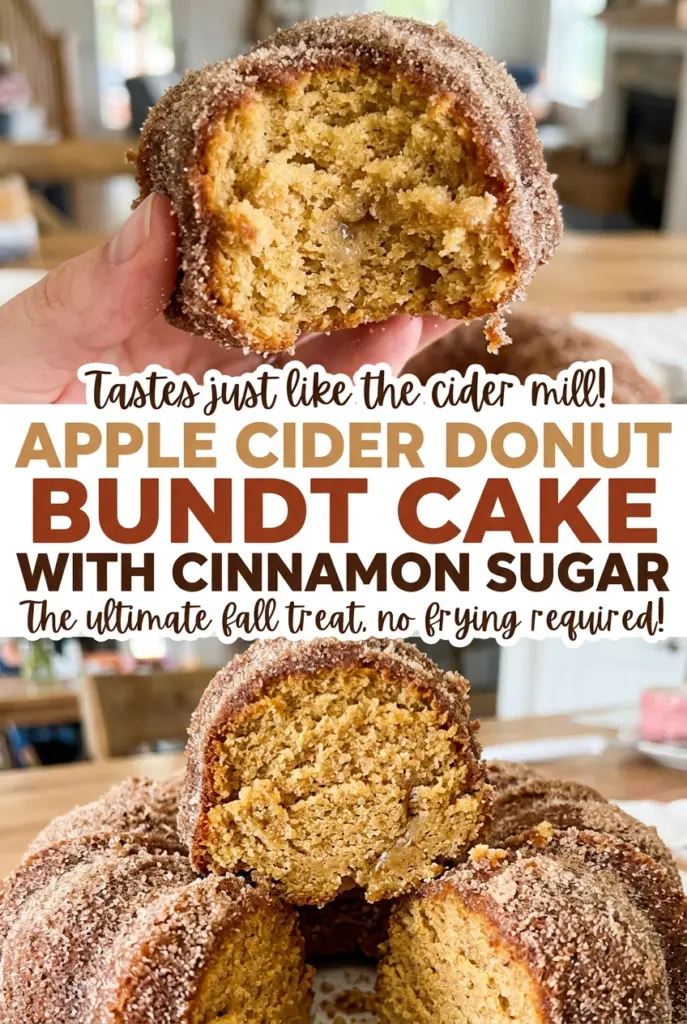
Apple Cider Donut Bundt Cake with Cinnamon Sugar
As apple cider simmers, its sharp, juicy smell turns deeper and more concentrated, and the liquid slowly drops in the saucepan. That reduction is what gives this Bundt cake its…
Tip: save now, cook later.As apple cider simmers, its sharp, juicy smell turns deeper and more concentrated, and the liquid slowly drops in the saucepan. That reduction is what gives this Bundt cake its apple-cider flavor without leaving the batter too loose. I make this cake when I want the warm spice and cinnamon-sugar finish of a cider donut, but in a shape that slices neatly and stays tender under a crisp, buttery coating.
The batter gets its softness from sour cream, while creamed butter and sugar give it a fine, sturdy crumb that holds up in a Bundt pan. The cider and sour cream go in between additions of the flour mixture, so the batter comes together gradually instead of getting beaten into a tough cake. Once the cake has cooled completely, melted butter helps the cinnamon sugar cling to every curve.
Kitchen Note
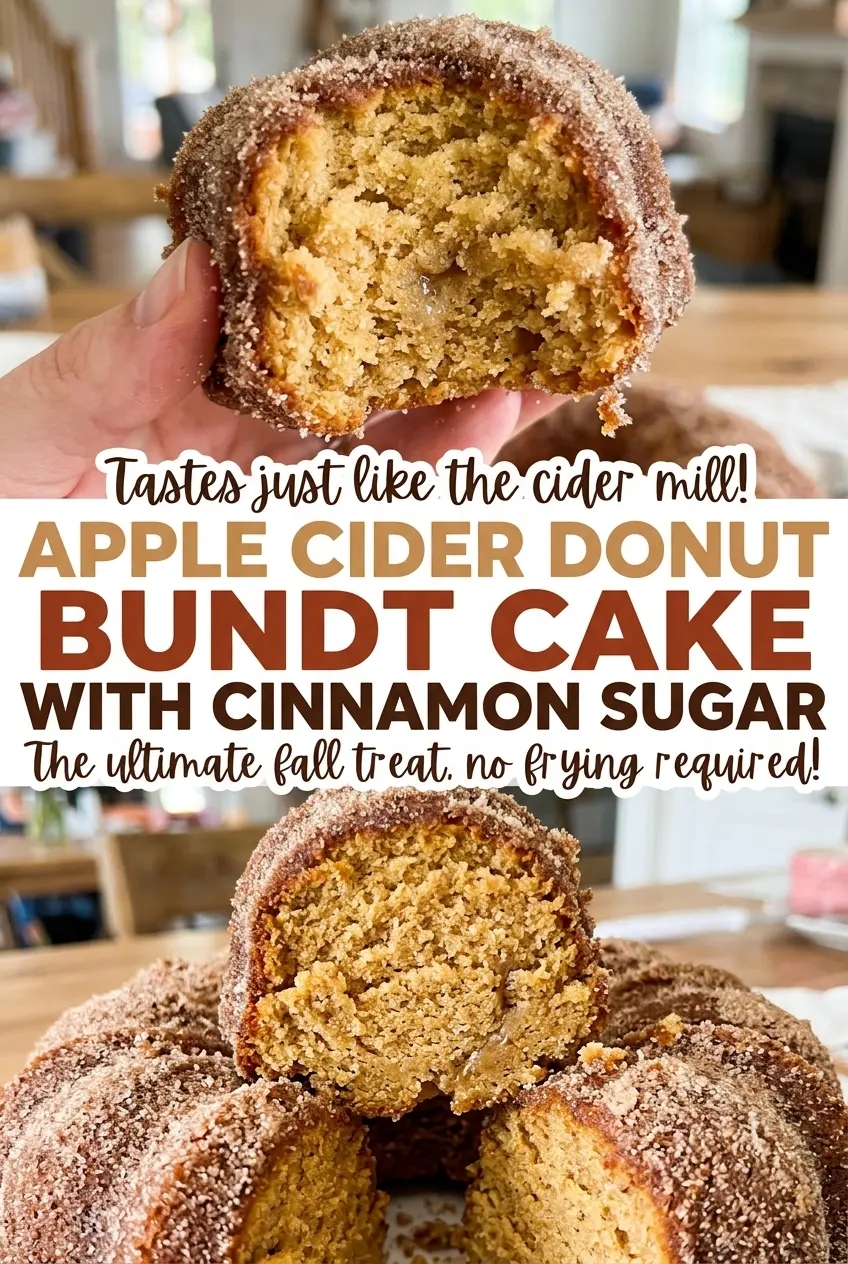
Brush the melted butter over the cake only after it has cooled completely. If the cake is still warm, the butter sinks into the crumb and the cinnamon sugar won’t make an even coating.
Save this apple cider donut Bundt cake for a cinnamon-sugar crust with soft, warmly spiced slices.
Why the Cider Has to Shrink Before It Goes Into the Batter
Apple cider brings both flavor and water to a cake. If you pour it in without reducing it, you add more liquid while diluting the concentrated apple taste that makes this cake distinct. Simmering the cider down to one cup tackles both problems: less water goes into the batter, and the apple flavor comes through more clearly beside the cinnamon and nutmeg.
Keep the reduction gentle enough that it doesn’t boil away before you can measure it. The amount of time depends on the pan and how steadily the cider simmers, so use the one-cup measure as your cue rather than relying only on the clock. Let it cool to room temperature before mixing it with the sour cream. Warm cider can soften the butter in the creamed mixture, and the batter needs that butter to stay light and fluffy. This small bit of patience is what lets the cake taste like cider instead of simply tasting sweet and spiced.
The Cider, Sour Cream, and Butter Each Have a Different Job
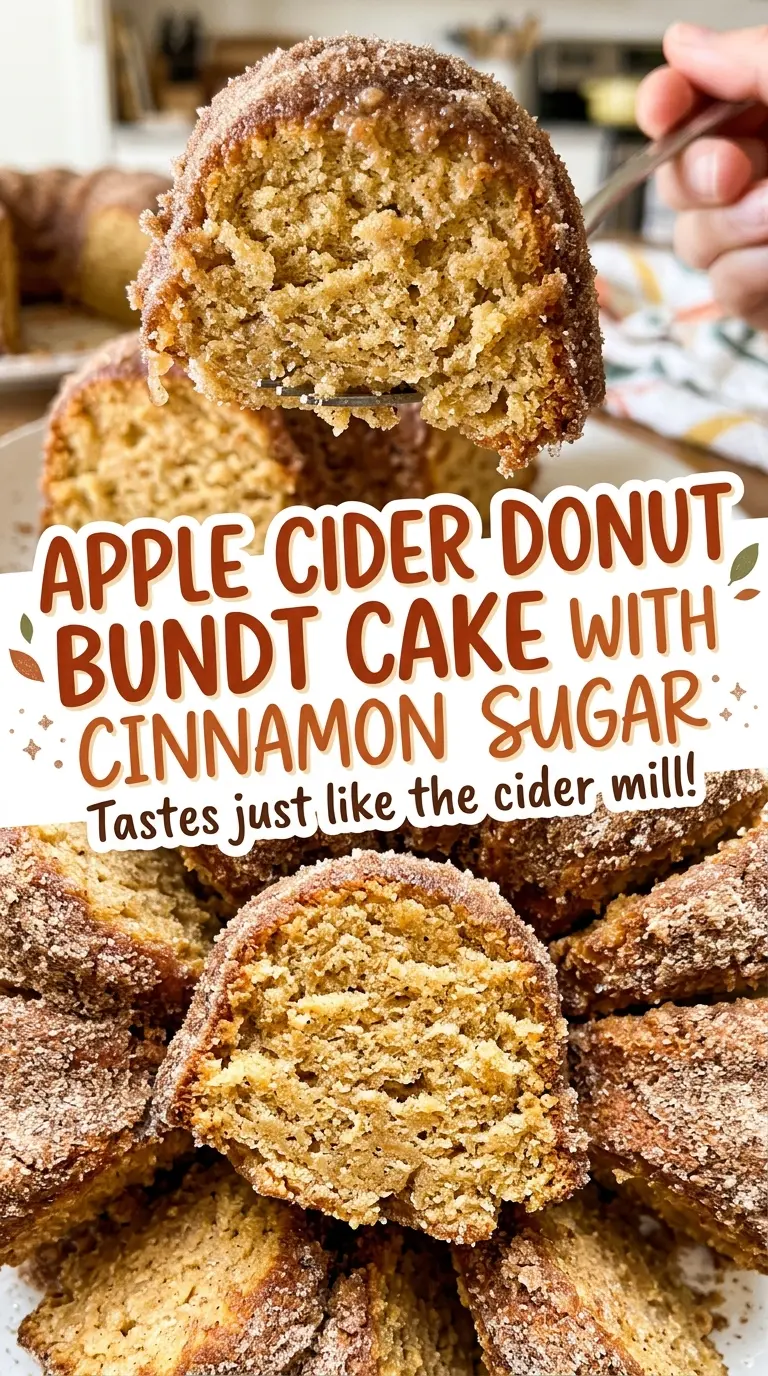
- Apple cider — This is the cake’s defining flavor, and reducing it concentrates its apple character. Choose fresh cider with a clean, apple-forward taste; the reduction does the work, so there’s no need for a specialty brand. Apple juice can stand in if that’s what you have, though the finished cake will taste sweeter and less like cider.
- Sour cream — Its richness and acidity help keep the crumb tender, while its thickness balances the reduced cider. Use plain, full-fat sour cream for the closest texture. Plain full-fat Greek yogurt is the most useful substitute; use the same amount, knowing the cake may be a touch less rich.
- Unsalted butter — Softened butter traps air as it beats with the sugar, helping the cake rise with a fine crumb. Butter quality matters most for the coating, where its flavor is right on the surface, but ordinary unsalted butter works well in the batter. For the coating, melt the butter only when the cake is ready to finish.
- Flour and leaveners — All-purpose flour gives the cake enough structure to release from its Bundt shape and slice cleanly. Baking powder and baking soda work alongside the acidic sour cream. Measure flour without packing it into the cup; excess flour can make the crumb heavy.
- Cinnamon and nutmeg — Together, they give the cake the familiar spiced-donut character without overpowering the cider. Ground spices lose their fragrance over time, so use jars that still smell warm and distinct when you open them.
- Eggs — Room-temperature eggs blend more smoothly into the creamed butter than cold eggs do. Add them one at a time so each is incorporated before the next goes in.
From Reduced Cider to a Bundt Cake That Releases Cleanly
Reduce the cider and cool it
Simmer the apple cider in a 2-quart saucepan over medium heat until it has reduced to one cup, about 20 to 30 minutes. The liquid should look more concentrated, and the measured amount—not a particular shade—is the reliable finish line. Set it aside until it reaches room temperature before it meets the sour cream. While it cools, heat the oven to 350°F and generously grease a 12-cup Bundt pan, taking care to cover the center tube and the grooves.
Build air into the butter and sugar
Whisk the flour, baking powder, baking soda, salt, cinnamon, and nutmeg together in a medium bowl so the leaveners and spices are distributed. In a separate large bowl, beat the softened butter and sugar for 2 to 3 minutes, until the mixture looks light and fluffy. Beat in the room-temperature eggs one at a time, mixing well after each addition, then beat in the vanilla. Butter that’s too cold won’t cream properly, so it should give slightly when pressed but still hold its shape.
Alternate the wet and dry mixtures
Whisk the cooled cider and sour cream together before adding them. Mix this liquid into the butter mixture in two additions, alternating with the flour mixture in three additions; start and finish with flour. Keep the mixer on low and stop as soon as the last streaks disappear. A few extra seconds of beating after the flour is incorporated can make the cake tougher than it needs to be.
Bake, cool, and finish the cinnamon shell
Scrape the batter into the prepared Bundt pan and bake at 350°F for 50 to 60 minutes. The center is ready when a toothpick inserted there comes out with a few moist crumbs, not wet batter. Cool the cake in the pan for 15 minutes, then invert it onto a wire rack and let it cool completely. Melt the coating butter in a small microwave-safe bowl, stir the sugar and cinnamon together in a shallow dish, then brush the cake all over and sprinkle and press the cinnamon sugar onto its surface.
Simple Changes That Keep the Cake’s Donut-Cinnamon Character
A gluten-free Bundt cake
Replace the all-purpose flour with a cup-for-cup gluten-free baking blend that includes xanthan gum, using the same amount. The cake may have a slightly more delicate crumb, so let it cool the full 15 minutes in the pan before turning it out.
A dairy-free version
Use plant-based baking sticks in place of the butter and thick, plain, unsweetened dairy-free yogurt in place of the sour cream, keeping the same amounts. Choose baking sticks rather than soft tub spread so the butter-and-sugar mixture can cream properly. The cake will lose some of the richness of dairy butter, but the cider and cinnamon still carry the flavor.
A cinnamon-forward spice mix
Leave out the nutmeg and keep the cinnamon as listed for a simpler, more direct cinnamon taste. The cake will still have its cider-donut feel, but the softer, woodsy note from the nutmeg won’t be there.
Storage and Reheating
- Refrigerator: Keep the cake covered for up to 5 days. The cinnamon-sugar coating may soften as it sits.
- Freezer: Freeze slices or the whole cake, wrapped tightly, for up to 2 months. Thaw while wrapped to reduce condensation on the coating.
- Reheating: Warm an individual slice briefly in the microwave if you’d like it less chilled. Long heating dries the crumb and can make the sugar coating sticky.
Questions That Come Up While Making This Cider Bundt Cake
Apple Cider Donut Bundt Cake with Cinnamon Sugar
Ingredients
Equipment
Method
- Simmer the apple cider in a 2-quart saucepan over medium heat until reduced to 1 cup, about 20–30 minutes.
- Cool the reduced cider to room temperature.
- Heat the oven to 350°F.
- Generously grease a 12-cup Bundt pan.
- Whisk the flour, baking powder, baking soda, salt, cinnamon, and nutmeg together in a medium bowl.
- Beat the softened butter and sugar in a large bowl until light and fluffy, 2–3 minutes.
- Beat in the eggs one at a time, mixing well after each addition.
- Beat in the vanilla.
- Whisk the cooled cider and sour cream together.
- Add the cider mixture to the butter mixture in 2 additions, alternating with the flour mixture in 3 additions and beginning and ending with the flour; mix on low just until combined.
- Scrape the batter into the prepared pan.
- Bake at 350°F for 50–60 minutes, until a toothpick inserted in the center comes out with a few moist crumbs.
- Cool the cake in the pan for 15 minutes.
- Invert the cake onto a wire rack and cool completely.
- Melt the butter in a small microwave-safe bowl.
- Stir the sugar and cinnamon together in a shallow dish.
- Brush the cooled cake all over with the melted butter.
- Sprinkle and press the cinnamon sugar over the surface to coat.