
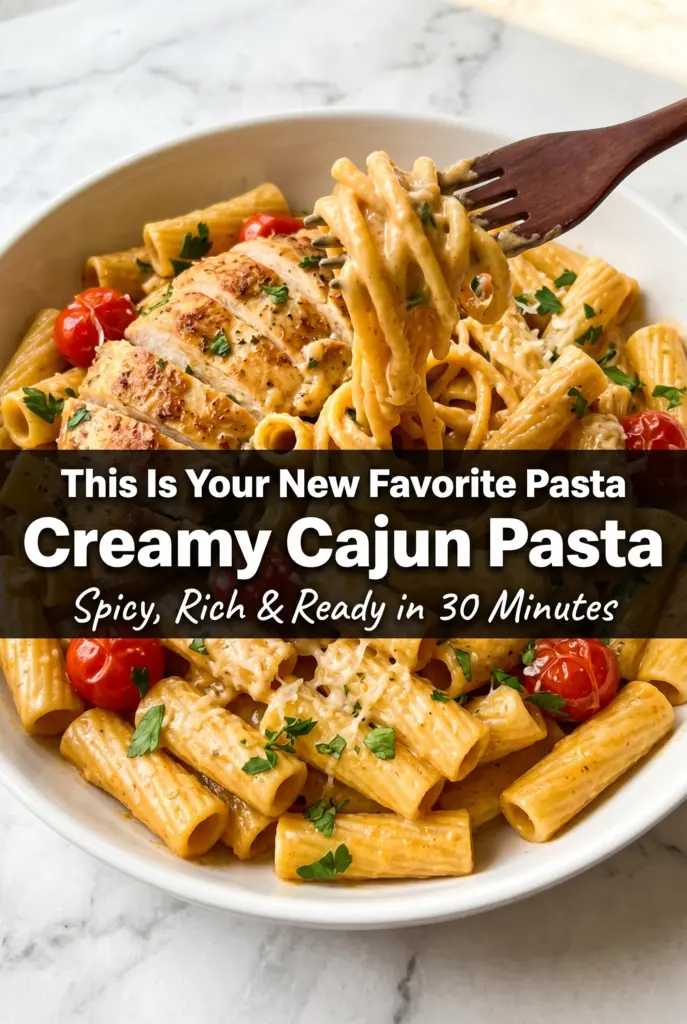
Creamy Cajun Pasta
Creamy Cajun pasta hits that sweet spot between comfort food and bold, smoky dinner with enough heat to keep every bite interesting. The sauce clings to the pasta instead of…
Tip: save now, cook later.Creamy Cajun pasta hits that sweet spot between comfort food and bold, smoky dinner with enough heat to keep every bite interesting. The sauce clings to the pasta instead of pooling at the bottom of the bowl, and the chicken brings enough savory depth to make it feel like a full meal, not just noodles in cream.
What makes this version work is the order. Tomato paste gets a minute in the pan first so it loses that raw edge and turns a little deeper and sweeter, then the broth loosens up the browned bits before the cream goes in. That means the sauce tastes built, not dumped together. The Parmesan finishes it with body, but it doesn’t need to be blasted on high heat, which is where a lot of creamy sauces go grainy.
You’ll find the timing that keeps the pasta from overcooking, the trick for getting the chicken golden without drying it out, and a few smart swaps if you want to make it with shrimp or skip the meat altogether.
The sauce thickened up beautifully and stayed creamy after I tossed in the pasta water. I used shrimp instead of chicken, and the tomatoes gave it a little pop that kept the whole dish from feeling heavy.
Creamy Cajun pasta has that rich, smoky sauce that clings to every noodle — pin it for the nights when you want big flavor in one skillet.
The Move That Keeps Cajun Cream Sauce from Turning Flat
Most Cajun pasta tastes one-note because the spice goes in without enough fat, acid, or browning behind it. Here, the chicken gets seasoned before it hits the pan, so the surface takes on real color instead of just steaming in its own juices. That browned fond becomes part of the sauce once the broth goes in, which is where the depth comes from.
The other mistake is rushing the cream. If the pan is screaming hot when the dairy goes in, the sauce can separate or take on a greasy look. A gentle simmer gives the Parmesan time to melt smoothly and the cream time to thicken without breaking. If your sauce looks thin at first, give it another minute; it tightens as it settles and coats the pasta.
- Smoked paprika gives the sauce that deep red-orange color and the smoky note that plain paprika can’t copy.
- Cayenne is the heat control. Use the full amount for a proper kick, or cut it back and finish with red pepper flakes at the table.
- Tomato paste is not there for tomato flavor alone. It adds body and makes the cream taste more savory and rounded.
- Parmesan should be finely grated, not shredded. Fine cheese melts faster and blends into the sauce instead of turning stringy.
Building the Pan in the Right Order
Season the chicken before it hits the skillet
Toss the sliced chicken with the Cajun spice blend so every piece carries seasoning from the start. Thin slices cook fast and brown more evenly than thick chunks, which matters because overcooked chicken turns chewy before the sauce is done. If the pan looks crowded, sear in two batches instead of piling everything in at once. Crowding traps steam and wipes out the color you’re after.
Wake up the tomato paste and aromatics
After the chicken comes out, the onion goes into the same skillet so it picks up the fond left behind. Let it soften, then add the garlic just until fragrant; if it browns hard, it turns bitter and starts to dominate the sauce. Stir the tomato paste in and cook it for about a minute. That short fry takes away the raw taste and gives the whole dish a deeper, almost caramelized base.
Simmer the cream, don’t boil it
Once the broth has loosened the browned bits, add the cream and keep the heat low enough that the sauce moves with small bubbles, not a hard boil. This is the point where a lot of creamy pasta sauces go wrong. High heat can split the dairy and make the Parmesan clump. When the sauce lightly coats the spoon, add the cheese and pasta, then loosen it with a splash of reserved pasta water only if it needs it.
Finish with the pasta and chicken together
Toss the pasta directly in the skillet so it can absorb the sauce instead of sitting beside it. Add the chicken back only after the pasta is coated, especially if you used breast meat, because extra time in the pan can dry it out. The final texture should be glossy and fluid enough to spread across the plate, not stiff or pasty. A little pasta water brings the sauce back to life if it tightens too much while you toss.
How to Adapt This for Shrimp, Meat-Free, or a Lighter Pan Sauce
Use shrimp instead of chicken
Shrimp works well here because it cooks fast and loves Cajun seasoning. Pat it dry, season lightly, and sear just until pink and opaque, then pull it out right away. If it stays in the skillet while the sauce simmers, it turns rubbery fast.
Make it vegetarian
Skip the chicken and use vegetable broth instead of chicken broth. Add sautéed mushrooms or extra cherry tomatoes for substance, because the sauce needs something hearty to stand up to the cream. The finished dish stays rich, just a little lighter in savory depth.
Make it gluten-free
Use a sturdy gluten-free penne or rigatoni so the sauce has ridges to cling to. Cook it just to al dente, since gluten-free pasta can go soft quickly once it meets hot sauce. If it gets a little sticky, the reserved pasta water helps the sauce coat it more smoothly.
Lighter cream sauce
Half-and-half will work, but the sauce will be thinner and less plush. Keep the heat low and let it reduce a little longer before adding the cheese. The result is still creamy, just not as heavy or deeply rich as the original.
Storage and Reheating
- Refrigerator: Store leftovers in an airtight container for up to 4 days. The sauce will thicken as it chills.
- Freezer: Not my first choice. Cream sauces can separate after thawing, and the pasta softens. If you freeze it anyway, expect a looser, less silky texture.
- Reheating: Warm it gently in a skillet over low heat with a splash of broth or water. The common mistake is blasting it in the microwave until the sauce breaks and the pasta turns gummy.
Answers to the Questions Worth Asking
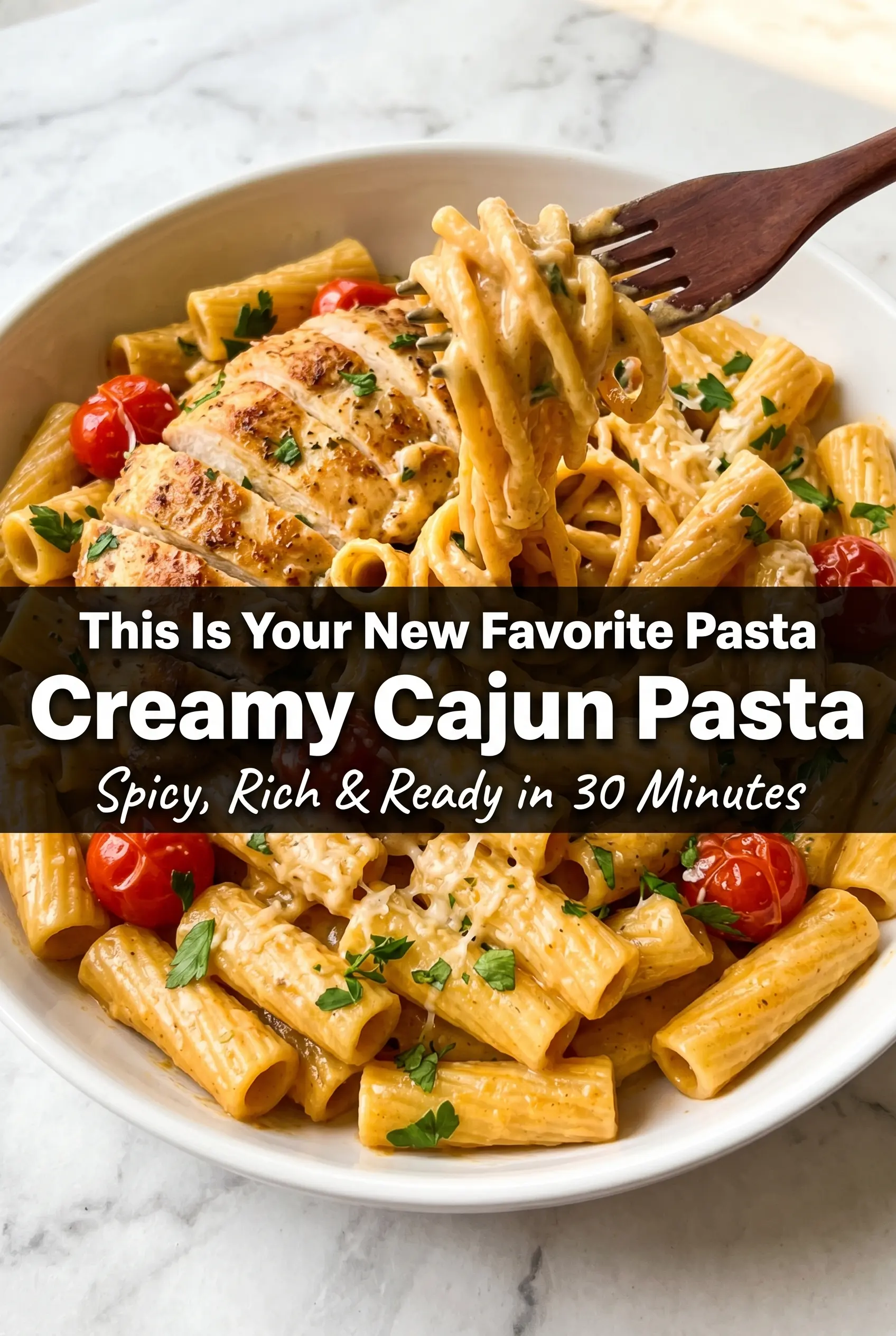
Creamy Cajun Pasta
Ingredients
Equipment
Method
- Bring a large pot of salted water to a boil, then add the penne or rigatoni pasta and cook until al dente. Visual cue: pasta should be tender with a slight bite when tasted, about 8–11 minutes depending on package directions.
- Reserve 1/2 cup pasta water before draining the pasta. Visual cue: keep the starchy water separate so you can loosen the sauce later.
- Set the drained pasta aside. Visual cue: the pasta should stay dry on the surface rather than clumping in the pot.
- Mix the smoked paprika, garlic powder, onion powder, cayenne pepper, dried oregano, dried thyme, salt, and black pepper in a small bowl to form the Cajun seasoning blend. Visual cue: the mixture should look evenly speckled.
- Toss the sliced chicken breast with 1 1/2 tsp of the seasoning blend until evenly coated. Visual cue: every piece should have a uniform dusty red-brown coating.
- Heat olive oil and unsalted butter in a large skillet over medium-high heat. Visual cue: butter should foam lightly and the pan should look slick.
- Add the seasoned chicken and sear 3–4 minutes per side until golden and cooked through, then remove from the skillet and set aside. Visual cue: thickest pieces should no longer look pink in the center.
- In the same skillet over medium heat, add the diced onion and sauté for 3 minutes until softened. Visual cue: onions should turn translucent and smell sweet.
- Add the minced garlic and cook for 1 minute until fragrant. Visual cue: garlic should be aromatic without browning.
- Stir in the tomato paste and cook for 1 minute to caramelize slightly. Visual cue: paste should darken a shade and stick to the pan before loosening.
- Add the halved cherry tomatoes and cook 2–3 minutes until they begin to blister and release their juices. Visual cue: tomatoes should wrinkle and burst in spots.
- Pour in the chicken broth and stir to deglaze, scraping up browned bits from the bottom of the pan. Visual cue: the bottom should look clean and the liquid should pick up a deeper color.
- Add the heavy cream and the remaining Cajun seasoning, then stir to combine and bring to a gentle simmer. Visual cue: small bubbles should form around the edges, not a hard boil.
- Cook 4–5 minutes, stirring occasionally, until the sauce thickens noticeably. Visual cue: a spoon dragged through the sauce should leave a brief trail.
- Stir in the grated Parmesan cheese and let it melt fully into the sauce. Visual cue: sauce should turn smooth and glossy.
- Taste and adjust seasoning as needed. Visual cue: the final flavor should be balanced between smoky heat and creamy richness.
- Add the cooked pasta to the skillet and toss to coat, adding a splash of reserved pasta water if the sauce feels too thick. Visual cue: pasta should look evenly lacquered.
- Slice the cooked chicken and nestle it back into the pasta, then toss gently. Visual cue: chicken should distribute through the sauce without breaking apart.
- Serve immediately, garnished with fresh parsley, extra Parmesan, and red pepper flakes if desired. Visual cue: garnish should look fresh and bright on top.