
Orange Cranberry Sauce
The cranberries start out as firm little berries, then begin popping one by one as the saucepan comes to a boil. That change happens quickly, and it’s the part I…
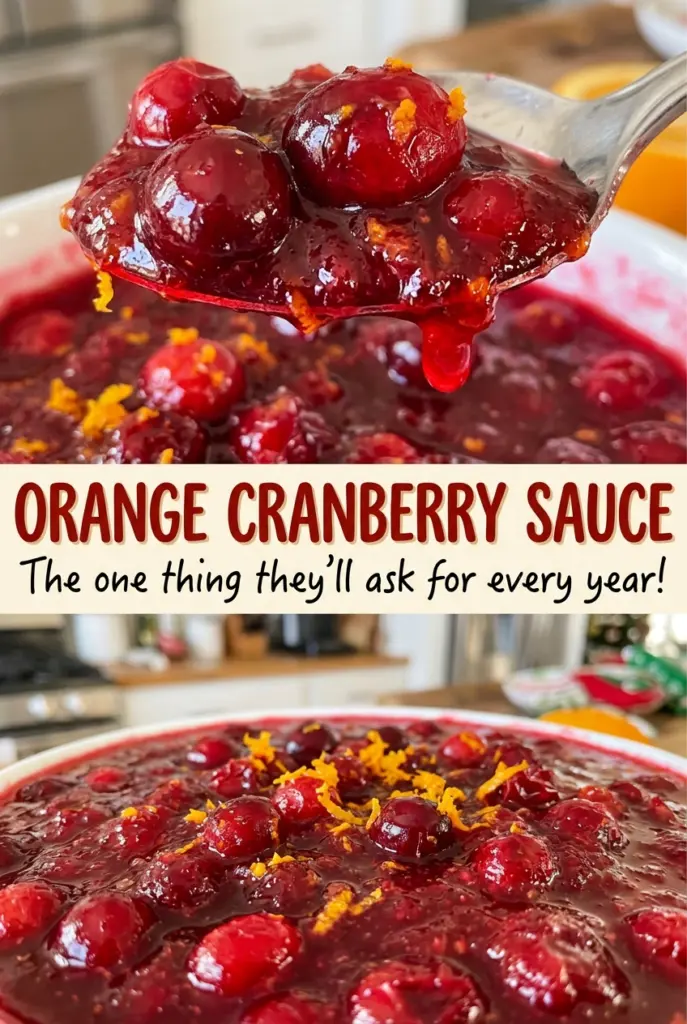
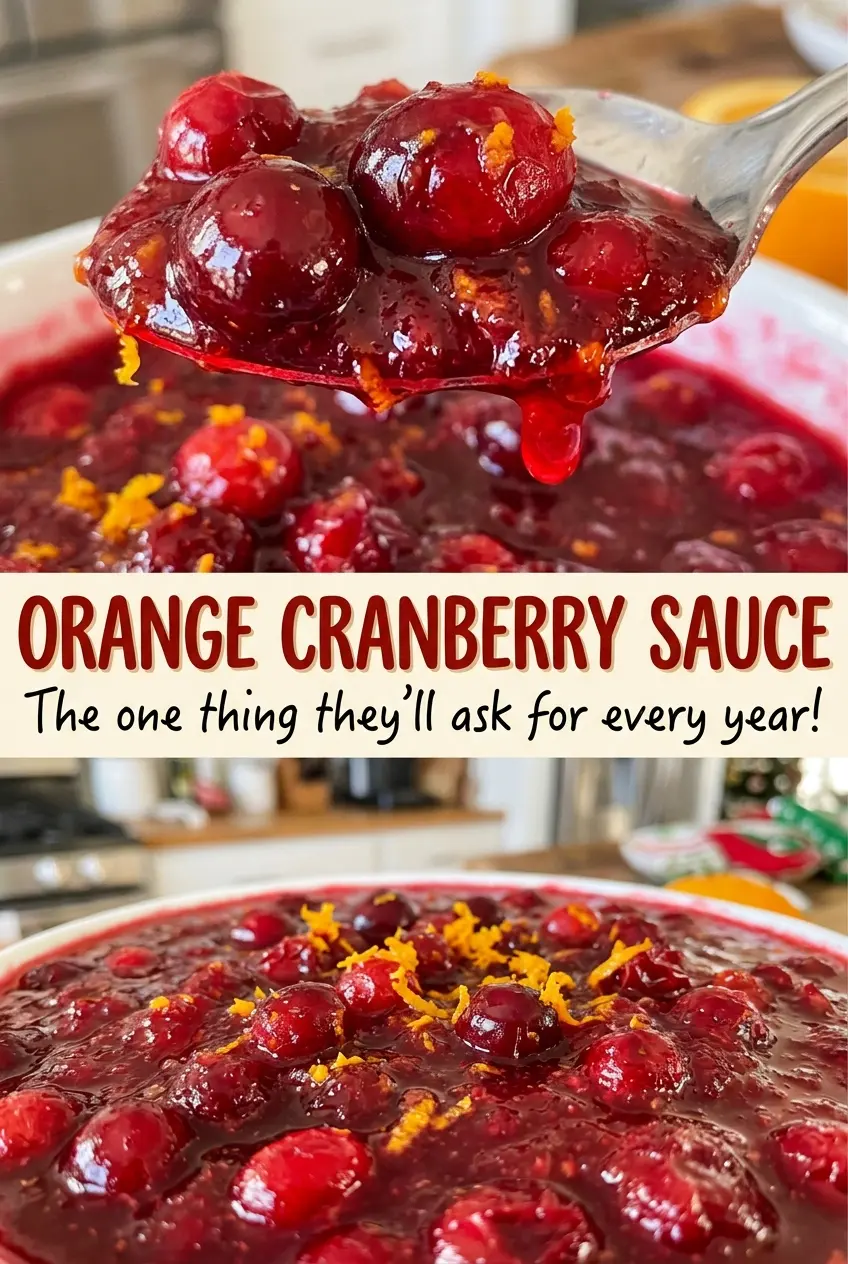
Tip: save now, cook later.The cranberries start out as firm little berries, then begin popping one by one as the saucepan comes to a boil. That change happens quickly, and it’s the part I watch most closely when I make this orange cranberry sauce: the berries soften, their juices mingle with the orange, and the whole pan turns a deep ruby color.
Fresh cranberries bring plenty of tartness, so the sugar and orange juice have specific jobs here. The sugar rounds out that sharp edge, while finely grated orange zest gives the sauce a clear citrus aroma without needing extra ingredients. I keep the simmer steady and let the fruit do the thickening, then give the sauce time to cool into a spoonable, glossy condiment.
Kitchen Note
I sort through the cranberries before measuring anything into the pan. Pick out any soft or shriveled berries so the sauce cooks evenly and every spoonful tastes fresh.
Save this orange cranberry sauce for a bright, tart-sweet finish made with fresh cranberries and real orange zest.
Why the Sauce Still Looks Loose When You Turn Off the Heat
Cranberries don’t turn into a thick sauce all at once. As the berries burst, they release their juice and natural pectin into the liquid. That mixture can still look a little fluid when it’s hot, even after most of the berries have popped. The sauce continues to thicken as it cools, so judging it straight from the burner can make you think it needs more cooking than it does.
The balance of liquid matters, too. Water gives the fruit enough room to simmer, and orange juice brings citrus flavor into the base; the cranberries supply the body. A hard, prolonged boil isn’t needed to force the sauce thick. Letting the berries soften at a steady simmer keeps the fruit from scorching while the liquid reduces and the mixture comes together. Once cool, it should mound softly on a spoon rather than run like juice.
What the Cranberries, Sugar, and Orange Each Contribute
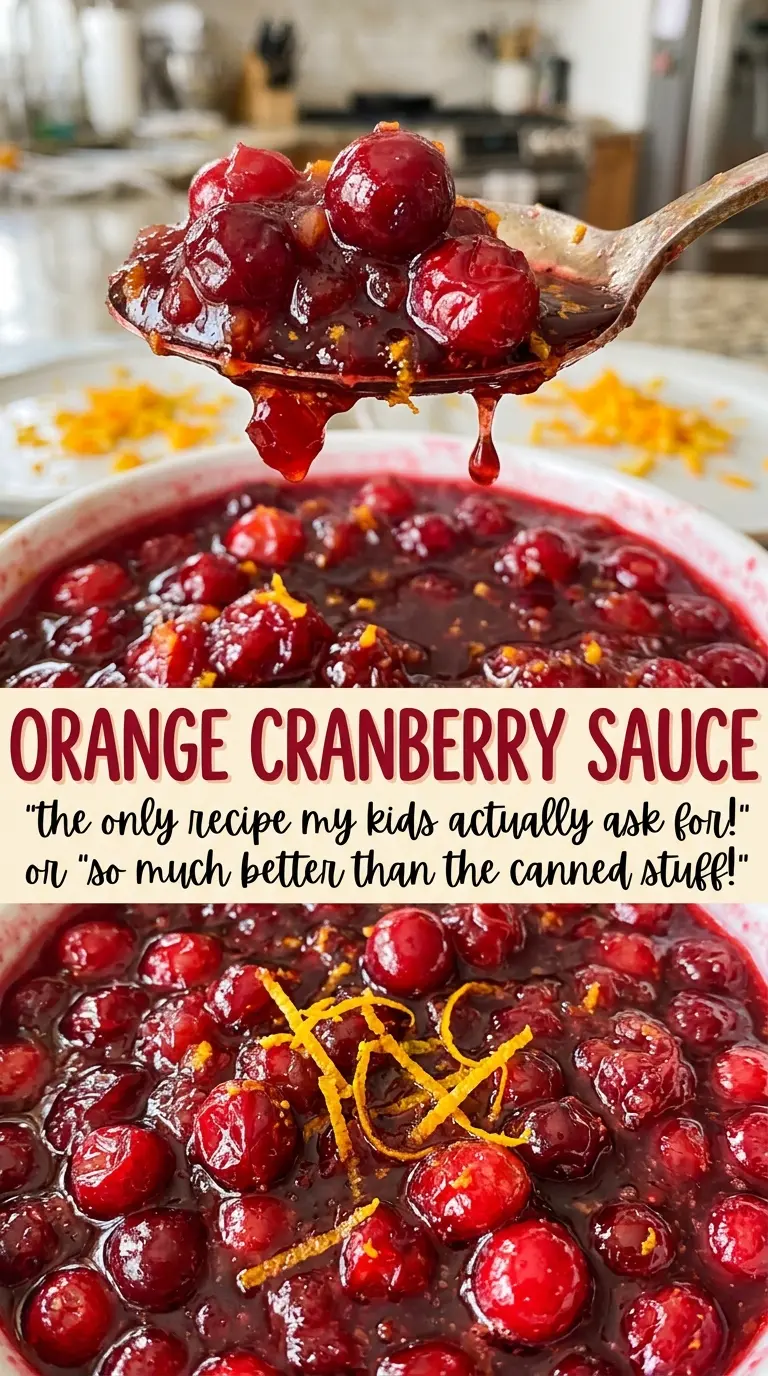
- Fresh cranberries — Fresh berries give this sauce its tart flavor, bright color, and naturally thickening fruit pulp. Pick through them before cooking; the bag is inexpensive, and there’s no need to seek out oversized or specialty berries. I stick with fresh cranberries for this timing and texture.
- Granulated sugar — Plain white sugar sweetens the sharp berries without bringing a competing flavor. The standard inexpensive kind works well here. I wouldn’t replace it with a different sweetener in this version, because the sweetness and texture would shift together.
- Orange juice — Juice carries orange flavor through the sauce and contributes liquid for the berries to simmer in. Fresh-squeezed or plain bottled orange juice both work; a sweetened orange drink isn’t the same thing and would make the sauce taste sweeter.
- Finely grated orange zest — Zest gives the sauce a fragrant orange note that juice alone can’t provide. Use a fresh, fragrant orange and grate only the colored outer peel; the white pith underneath can taste bitter. A fine grater keeps the zest from feeling stringy in the finished sauce.
- Water — Water helps the cranberries cook without adding another flavor. It’s fine to use tap water; there’s no special quality to buy for this small amount.
From a Pot of Berries to a Spoonable Sauce
Combine Everything in the Saucepan
Put the picked-over cranberries, sugar, water, orange juice, and finely grated orange zest in a medium saucepan. Stir to coat the berries and distribute the sugar and zest through the liquid. Keep the mixture in one even layer across the bottom of the pan as much as possible. A few cranberries will float, which is normal.
Bring It to a Boil, Then Simmer
Set the pan over medium-high heat and bring the mixture to a boil. Once it’s bubbling, reduce the heat to medium and simmer, stirring occasionally, for 10 to 12 minutes. Listen for the berries popping and look for most of them to split open; the liquid should become glossy and visibly thicker than it was at the start. If the pan is boiling hard enough to splash, lower the heat so the fruit simmers steadily rather than violently.
Let the Sauce Cool Before Serving
Take the saucepan off the heat when most of the cranberries have burst and the sauce has thickened. Leave it to cool for at least 30 minutes before serving. It will continue to set as it cools, so don’t keep cooking it just because it looks softer while hot. The finished texture should be thick enough to hold its shape lightly on a spoon, with some cranberry pieces still visible.
Small Ways to Change the Texture Without Changing the Ingredients
Leave a few more berries intact
For a chunkier, more fruit-forward texture, stir gently instead of pressing the cranberries against the side of the pan. Keep the same simmer and visual endpoint: most berries should still burst, but a few will stay more recognizable in the sauce.
Choose a fragrant orange for a brighter aroma
The zest is the most aromatic part of the orange here, so choose a fresh orange that smells citrusy before you grate it. Keeping the same fine zest and amount preserves the sauce’s balance while giving the orange note a little more presence.
Storage and Reheating
- Refrigerator: Refrigerate the sauce within 2 hours and keep it covered for 3 to 4 days. It will become firmer when cold.
- Freezer: It freezes well for up to 2 to 3 months. Store it in an airtight freezer-safe container, leaving a little room at the top, then thaw it in the refrigerator.
- Reheating: This sauce is good chilled or at room temperature, so reheating isn’t necessary. If you prefer it warm, heat it gently in the microwave in short bursts, stirring between them; overheating can make the texture loose and uneven.
Questions That Come Up When Making Orange Cranberry Sauce
Orange Cranberry Sauce
Ingredients
Method
- Combine the cranberries, sugar, water, orange juice, and orange zest in a medium saucepan.
- Bring to a boil over medium-high heat.
- Reduce the heat to medium and simmer, stirring occasionally, for 10 to 12 minutes, until most of the cranberries have burst and the sauce has thickened.
- Remove the pan from the heat.
- Let the sauce cool for at least 30 minutes; it will thicken more as it cools.